
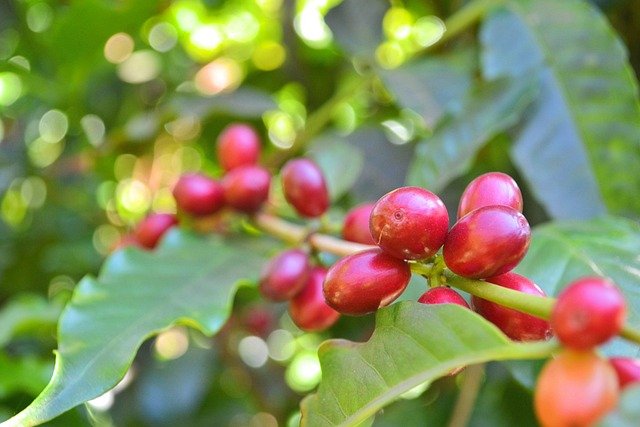
When people think of great coffee , countries like Brazil, Ethiopia, or Colombia usually come to mind. Yet one of the world’s most important coffee producers often remains overlooked: Vietnam.
Despite being the second-largest coffee producer in the world, Vietnamese coffee is still widely misunderstood. Much of the global coffee conversation focuses on Arabica-dominant regions, while Vietnam is primarily known for producing Robusta. However, this perception hides a fascinating reality: Vietnam has a rich coffee culture, a growing specialty coffee movement, and increasingly impressive Arabica and even Liberica production.
Today, Vietnamese coffee is evolving rapidly—and many coffee professionals believe it is one of the most underrated coffee origins in the world.
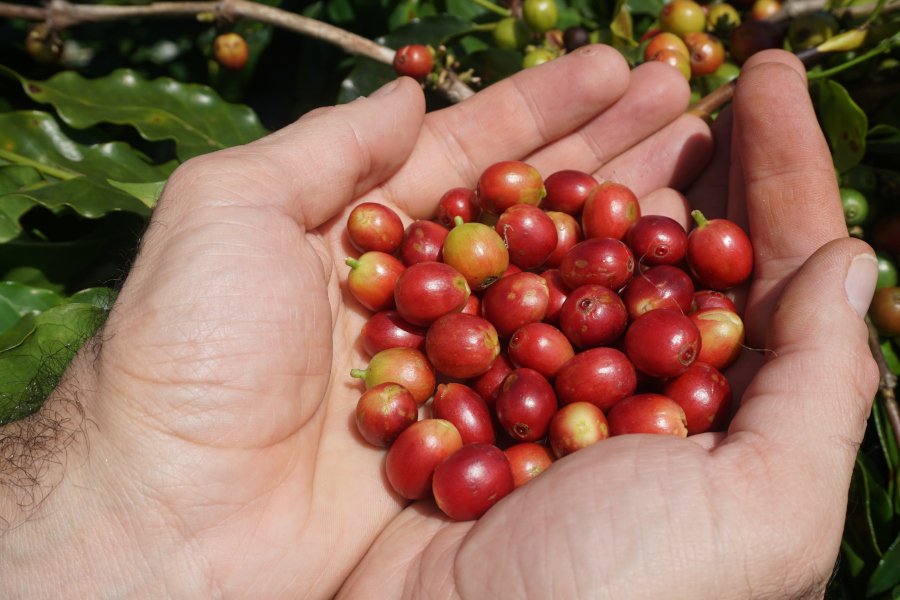
A Deep Coffee Culture Rooted in History
Coffee culture in Vietnam dates back to the 19th century, when coffee plants were introduced during the French colonial period. Over time, coffee became deeply integrated into Vietnamese daily life.
Today, Vietnam has one of the most vibrant coffee cultures in the world. Coffee is not simply a beverage—it is a social ritual.
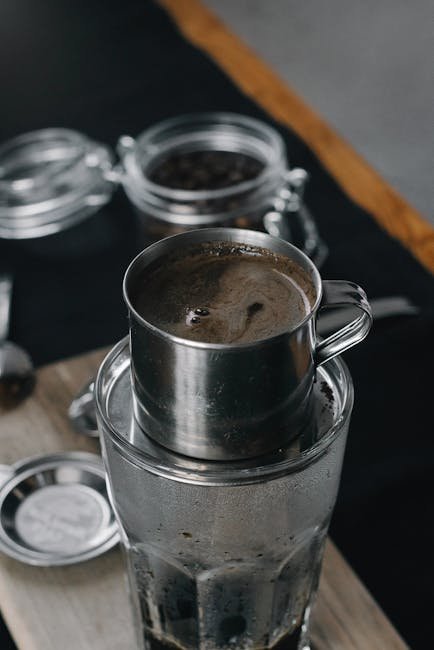
Traditional Vietnamese coffee is often brewed using a phin filter, a small metal drip filter that slowly extracts a bold, aromatic cup. This brewing method creates a rich coffee that is commonly enjoyed with sweetened condensed milk in the famous cà phê sữa đá. From historic cafés in Hanoi to modern specialty coffee bars in Ho Chi Minh City and Da Lat, Vietnamese coffee culture continues to evolve while preserving its unique traditions.
Vietnam plays a critical role in the global coffee industry.
The country produces approximately 15–20% of the world’s coffee supply, making it the second-largest coffee producer globally after Brazil. (Source: International Coffee Organization – https://www.ico.org). Most of this production is Robusta coffee, which represents roughly 90% of Vietnam’s coffee output. (Source: USDA Coffee Report – https://www.fas.usda.gov)
Vietnam is also the largest exporter of Robusta coffee in the world, supplying beans widely used in espresso blends and instant coffee. Meanwhile, Brazil dominates global Arabica coffee production, which has historically shaped consumer perceptions about premium coffee origins. However, this narrative is beginning to change as Vietnam develops a new reputation for high-quality Robusta and emerging specialty Arabica coffees.
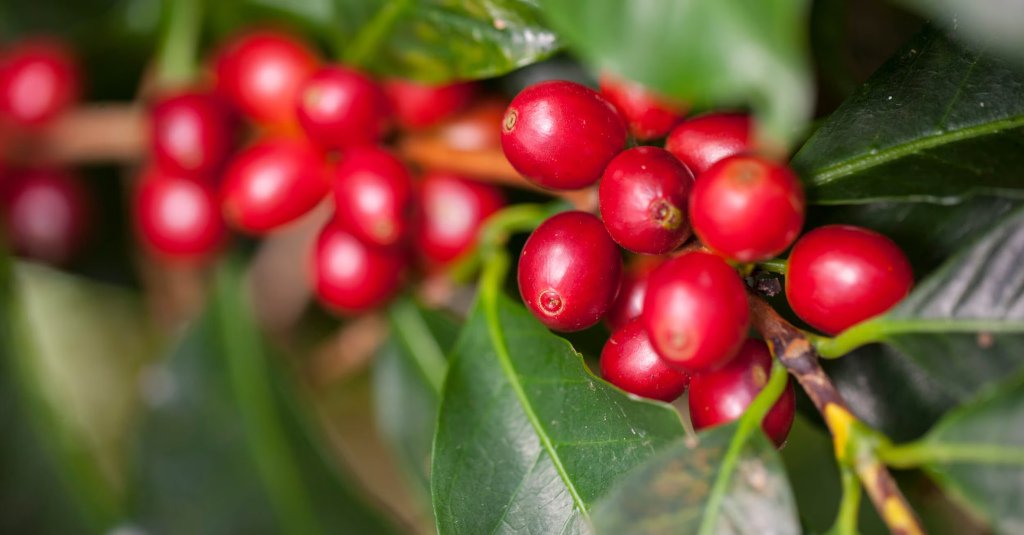
The Rise of Vietnamese Arabica
Although Vietnam is famous for Robusta, the country also produces a growing amount of Arabica coffee.
Currently, Arabica represents around 7–10% of Vietnam’s coffee production, but this share is increasing as farmers focus on higher-quality specialty coffee cultivation.
(Source: International Coffee Organization – https://www.ico.org)
Arabica coffee requires higher elevations and cooler climates, which means it grows best in Vietnam’s mountainous regions.
Key Vietnamese Arabica regions include:
Da Lat and Cầu Đất (Lâm Đồng Province)
Sơn La and Điện Biên (Northwest Vietnam)
Khe Sanh (Quảng Trị Province)
These areas provide ideal conditions for Arabica coffee, including elevations between 1,200 and 1,600 meters, volcanic soil, and cool mountain climates.
(Source: World Coffee Research – https://worldcoffeeresearch.org)
What Makes Vietnamese Arabica Coffee Special?
Vietnamese Arabica coffee has begun attracting attention among specialty coffee roasters for its unique flavor characteristics and terroir. High-altitude Arabica grown in regions like Da Lat develops slowly due to cooler temperatures, allowing the beans to develop greater complexity.
Typical flavor characteristics of Vietnamese Arabica include: Floral aromas, Bright citrus acidity, Balanced sweetness, Notes of berries, chocolate, and honey.
According to specialty coffee sources, Arabica coffees from Vietnam’s highlands can produce elegant and balanced cups that rival other Asian coffee origins.
(Source: https://perfectdailygrind.com)
As processing techniques improve—including washed, natural, and honey processing methods—Vietnamese Arabica is becoming increasingly competitive in the global specialty coffee market.
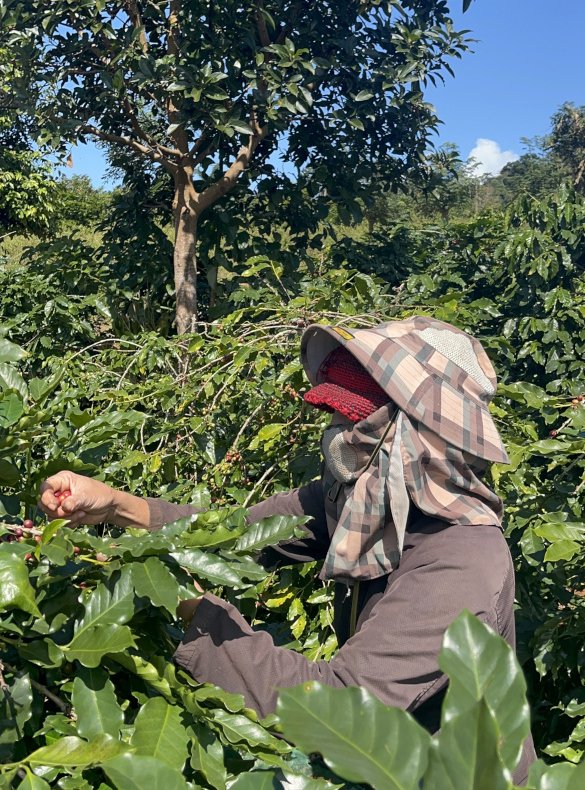
For decades, Vietnamese coffee exports focused primarily on large-scale commodity coffee production. Today, however, a new generation of farmers, processors, and roasters is transforming the industry by focusing on specialty coffee quality.
Innovations include:
– Selective cherry harvesting
– Improved post-harvest processing
– Sustainable farming practices, and
– High-quality Arabica varieties.
These changes are helping Vietnamese coffee gain new recognition among specialty coffee professionals and enthusiasts worldwide
Bringing Specialty Vietnamese Coffee to Japan
At Gharaam Coffee, our mission is to introduce the richness and diversity of specialty Vietnamese coffee to coffee lovers in Japan. Through our partners in Vietnam, we import carefully selected specialty Arabica and Robusta coffees from Vietnam.
Our focus is on sourcing coffees that meet the highest standards of:
– Quality and traceability
– Sustainable farming practices
– Fair wages for farmers
– Environmental responsibility
By working directly with trusted producers, we aim to showcase the best expressions of Vietnamese coffee, from bold specialty Robusta to elegant high-altitude Arabica.
Vietnam’s coffee story is entering an exciting new chapter. As more people discover the complexity and quality of Vietnamese coffee, it may not remain underrated for long. And at Gharaam Coffee, we are proud to help bring this remarkable coffee origin to our customers in Japan. Read more about our story here.